Best SEO Tips
Last updated: March 28, 2026
Quick Answer
The Best SEO Tips for 2026 focus on creating high-quality, user-focused content while mastering technical fundamentals like page speed, mobile optimization, and proper keyword research.
Success comes from understanding search intent, building topical authority, and ensuring your website provides genuine value to visitors rather than just targeting search engines.
Key Takeaways
• Keyword research remains foundational — target long-tail keywords with clear search intent
• Page speed directly impacts rankings — aim for Core Web Vitals scores in the “good” range
• Mobile-first design is non-negotiable — most searches happen on mobile devices
• Content quality beats quantity — focus on comprehensive, helpful content that answers user questions
• Technical SEO creates the foundation — proper site structure, crawlability, and indexing are essential
• Local SEO drives business results — optimize Google Business Profile and local citations for location-based searches
• User experience signals matter — reduce bounce rates and increase time on page through better design
• Link building requires strategy — earn high-quality backlinks through valuable content and relationships
How Do I Choose the Right Keywords for SEO Success?
Effective keyword research forms the backbone of any successful SEO strategy. Start by identifying terms your target audience actually searches for, not just what you think they should search for.
Primary keyword research steps:
- Use keyword research tools like Google Keyword Planner, Ahrefs, or SEMrush to find search volume and competition data
- Analyze search intent — determine if users want information, products, or specific services
- Target long-tail keywords (3-4 words) that are more specific and less competitive
- Check competitor keywords to identify gaps in your content strategy
- Focus on topics, not just individual keywords to build topical authority
Choose keywords if: they have decent search volume (100+ monthly searches), match your content capabilities, and align with your business goals. Avoid highly competitive single-word terms unless you have significant domain authority.
Common mistake: Targeting keywords that are too broad or competitive for your website’s current authority level. Start with easier, more specific terms and work your way up.
What Are the Most Important Technical SEO Tips?
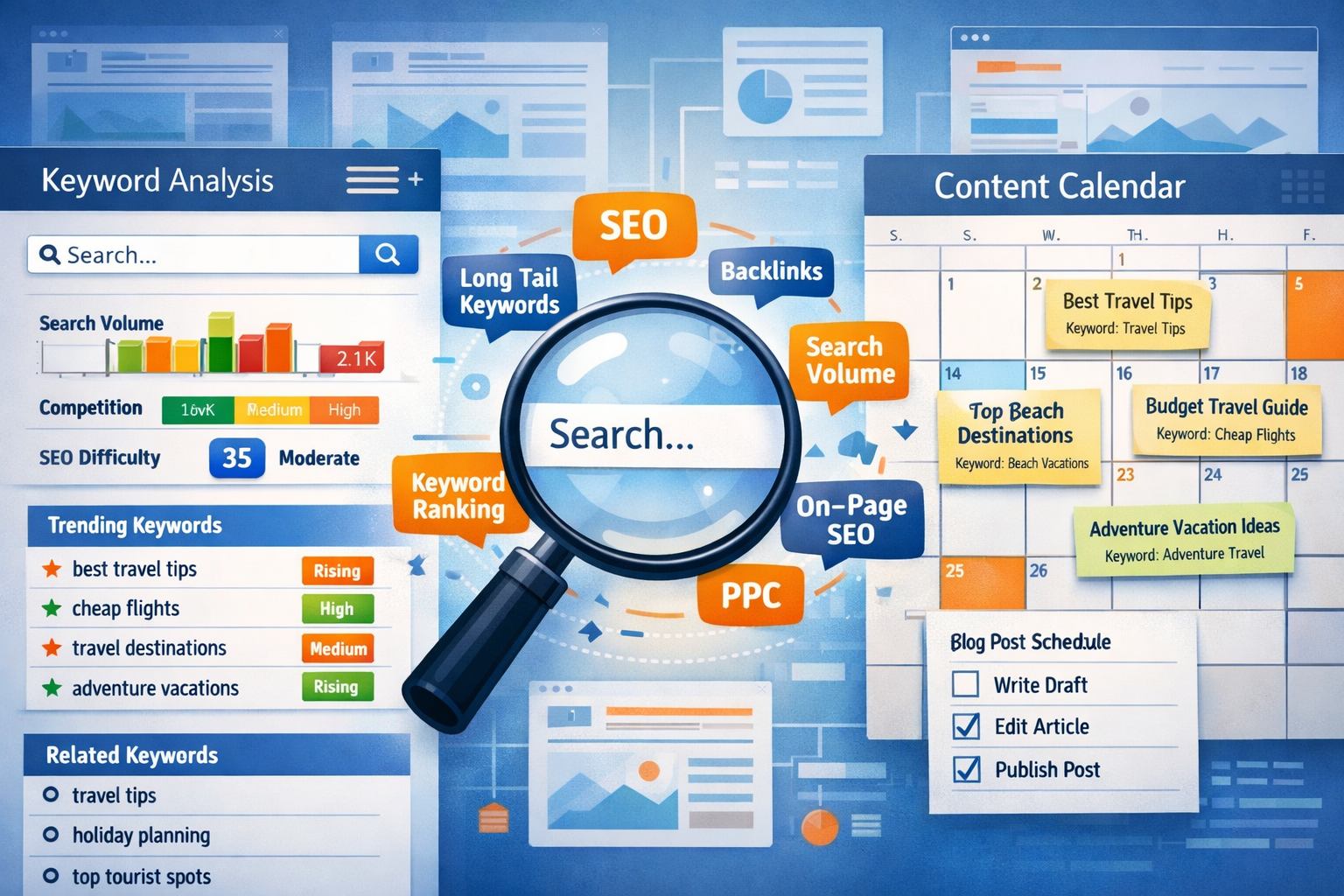
Technical SEO ensures search engines can properly crawl, understand, and index your website. Without solid technical foundations, even great content won’t rank well.
Essential technical SEO elements:
• Page speed optimization — compress images, minimize code, use fast hosting
• Mobile responsiveness — ensure your site works perfectly on all device sizes
• SSL certificate — secure your site with HTTPS (now a ranking factor)
• XML sitemap — help search engines discover all your important pages
• Robot.txt file — guide search engine crawlers effectively
• Clean URL structure — use descriptive, keyword-rich URLs
• Fix broken links — regularly audit and repair 404 errors
• Optimize Core Web Vitals — improve loading, interactivity, and visual stability
Decision rule: If your site takes more than 3 seconds to load on mobile, prioritize speed optimization before creating new content. Technical issues can prevent even the best content from ranking.
Edge case: E-commerce sites need additional technical considerations like structured data for products, proper handling of out-of-stock items, and faceted navigation optimization.
How Should I Structure Content for Better SEO Rankings?
Content structure directly impacts both user experience and search engine understanding. Well-organized content keeps visitors engaged and helps search engines identify your main topics.
Effective content structure includes:
- Clear heading hierarchy (H1, H2, H3) that outlines your content logically
- Answer-first approach — provide the main answer early, then add supporting details
- Scannable formatting — use bullet points, numbered lists, and short paragraphs
- Internal linking — connect related content to build topical authority
- Featured snippet optimization — format answers for position zero opportunities
- Comprehensive coverage — address related questions and subtopics thoroughly
Content length guideline: Aim for depth over length. A 1,000-word article that thoroughly answers a question beats a 3,000-word piece with fluff.
Quick example: Instead of writing “SEO is important for businesses,” write “Small businesses that invest in SEO see an average 14.6% conversion rate compared to 1.7% for traditional outbound marketing.”
Which Local SEO Tips Drive the Most Business Results?
Local SEO helps businesses attract customers in their geographic area. For location-based businesses, local optimization often provides better ROI than general SEO efforts.
High-impact local SEO strategies:
• Optimize Google Business Profile — complete all sections, add photos, encourage reviews
• Maintain consistent NAP (Name, Address, Phone) across all online directories
• Target location-specific keywords — include city and neighborhood names naturally
• Create location pages for multiple business locations
• Build local citations — get listed in relevant local directories and industry sites
• Encourage customer reviews — respond to all reviews professionally
• Use local schema markup — help search engines understand your business details
Choose local SEO if: you serve customers in specific geographic areas, have a physical location, or offer services that require in-person interaction.
Common mistake: Using a PO Box instead of a physical address, or having inconsistent business information across different platforms.
What Link Building Strategies Actually Work in 2026?
Quality backlinks remain a crucial ranking factor, but the focus has shifted from quantity to relevance and authority. Modern link building requires providing genuine value to other websites and their audiences.
Effective link building approaches:
- Create linkable assets — original research, comprehensive guides, useful tools
- Guest posting on relevant sites — contribute valuable content to industry publications
- Build relationships first — engage with industry peers before asking for links
- Internal linking strategy — connect your own content to distribute page authority
- Broken link building — help sites fix broken links by suggesting your content
- Resource page outreach — get included on industry resource lists
- Digital PR and newsjacking — create content around trending topics
Quality indicators: Links from sites with high domain authority, relevant to your industry, and placed within content rather than sidebars or footers.
Avoid these tactics: Buying links, participating in link schemes, or using automated link building tools. These can result in penalties that are difficult to recover from.
How Do I Measure SEO Success and Track Progress?
Measuring SEO performance requires tracking both ranking improvements and business outcomes. Focus on metrics that directly impact your goals rather than vanity metrics.
Key SEO metrics to monitor:
| Metric Type | What to Track | Why It Matters |
|---|---|---|
| Rankings | Target keyword positions | Shows visibility improvements |
| Traffic | Organic search visitors | Measures actual traffic growth |
| Conversions | Goals completed from organic traffic | Demonstrates business impact |
| Technical | Page speed, Core Web Vitals | Affects user experience and rankings |
| Content | Time on page, bounce rate | Indicates content quality and relevance |
Essential tools:
• Google Analytics 4 for traffic and conversion tracking
• Google Search Console for ranking and technical issues
• Third-party tools like Ahrefs or SEMrush for competitor analysis
Success timeline: Expect to see initial improvements in 3-6 months, with significant results typically appearing after 6-12 months of consistent effort.
Frequently Asked Questions
How long does SEO take to show results?
Most websites see initial improvements within 3-6 months of implementing SEO changes, with significant results typically appearing after 6-12 months. Competitive industries may take longer.
What’s the difference between on-page and off-page SEO?
On-page SEO involves optimizing elements on your website (content, titles, meta descriptions), while off-page SEO focuses on external factors like backlinks and social signals.
How often should I update my content for SEO?
Update content when information becomes outdated, search trends change, or you can add significant value. Quality updates matter more than frequency.
Do I need to hire an SEO agency or can I do it myself?
Small businesses can handle basic SEO themselves using online resources and tools. Larger businesses or competitive industries often benefit from professional SEO expertise.
Best SEO Tips for 2026: Proven Strategies That Actually Work
What’s the most important ranking factor in 2026?
Content quality and relevance remain the most important factors, followed by technical performance and user experience signals.
How many keywords should I target per page?
Focus on one primary keyword and 2-3 related secondary keywords per page. This allows you to create focused, comprehensive content.
Is social media important for SEO?
Social media doesn’t directly impact rankings but can drive traffic, increase brand awareness, and create opportunities for earning backlinks.
What’s the biggest SEO mistake small businesses make?
Trying to compete for overly broad, competitive keywords instead of focusing on specific, long-tail terms they can realistically rank for.
How do I know if my SEO is working?
Track increases in organic traffic, improvements in keyword rankings, and most importantly, growth in conversions and business outcomes from search traffic.
Should I focus on Google or other search engines?
Google dominates search market share, so prioritize Google optimization. However, don’t ignore Bing, especially for B2B audiences.
What’s the role of AI in SEO strategy?
AI tools can help with keyword research, content optimization, and technical audits, but human strategy and creativity remain essential for success.
How important is website speed for SEO?
Page speed is a confirmed ranking factor and crucial for user experience. Sites loading in under 3 seconds perform significantly better in search results.
Conclusion
Implementing the Best SEO Tips requires a balanced approach that combines technical excellence with high-quality content creation. Focus on understanding your audience’s search intent, optimizing for mobile-first indexing, and building topical authority through comprehensive content coverage.
Your next steps:
- Conduct a technical audit using the checklist above to identify immediate improvements
- Research target keywords that align with your business goals and audience needs
- Create a content calendar focusing on topics that answer your customers’ questions
- Set up proper tracking with Google Analytics and Search Console to measure progress
- Start building relationships in your industry for natural link building opportunities
Remember that SEO success comes from consistent effort over time, not quick fixes. Start with the fundamentals, measure your progress regularly, and adapt your strategy based on what works for your specific audience and industry.
Best SEO Tips –> Check Here
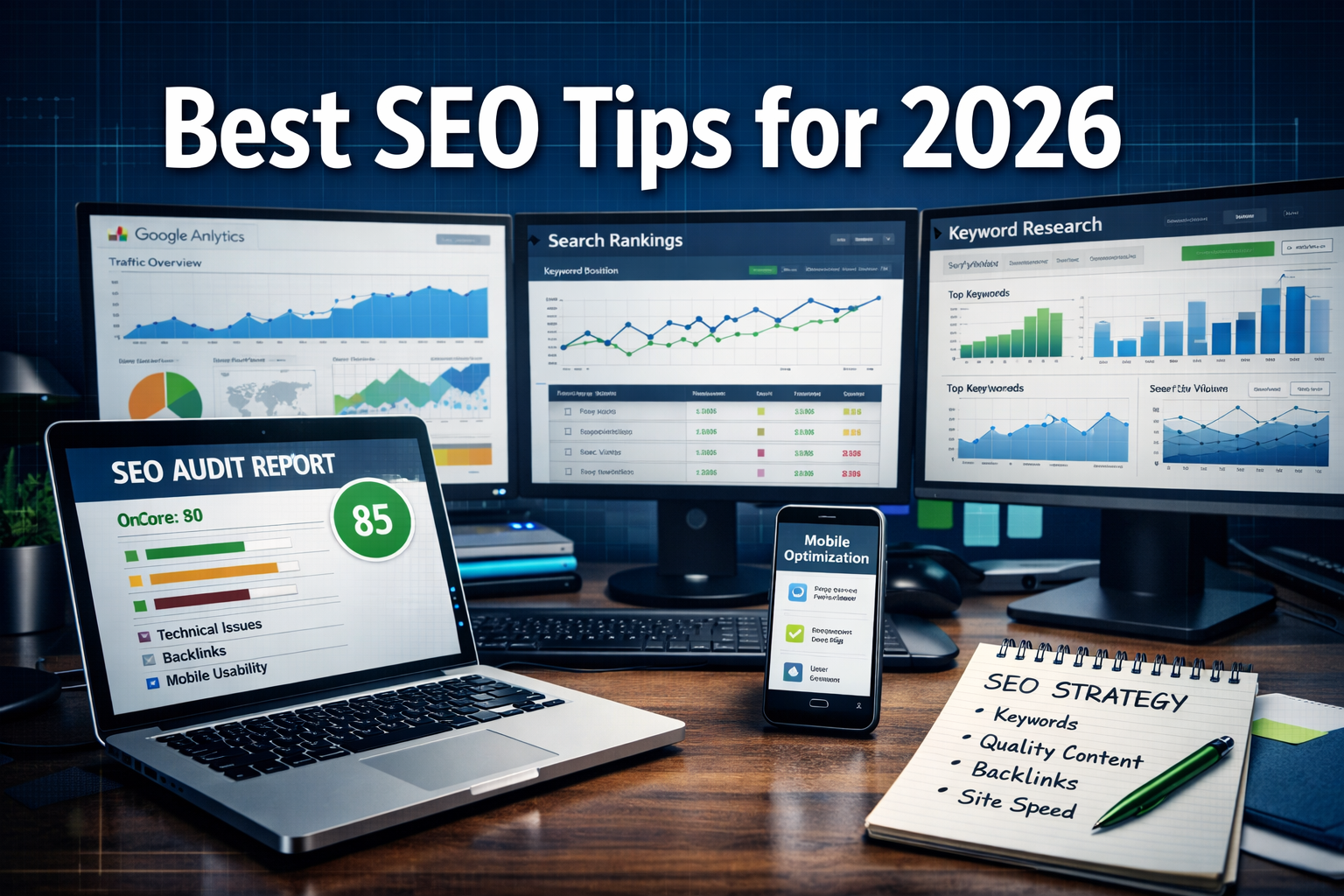
SEO Audit Checklist
Check off completed items to track your SEO optimization progress